
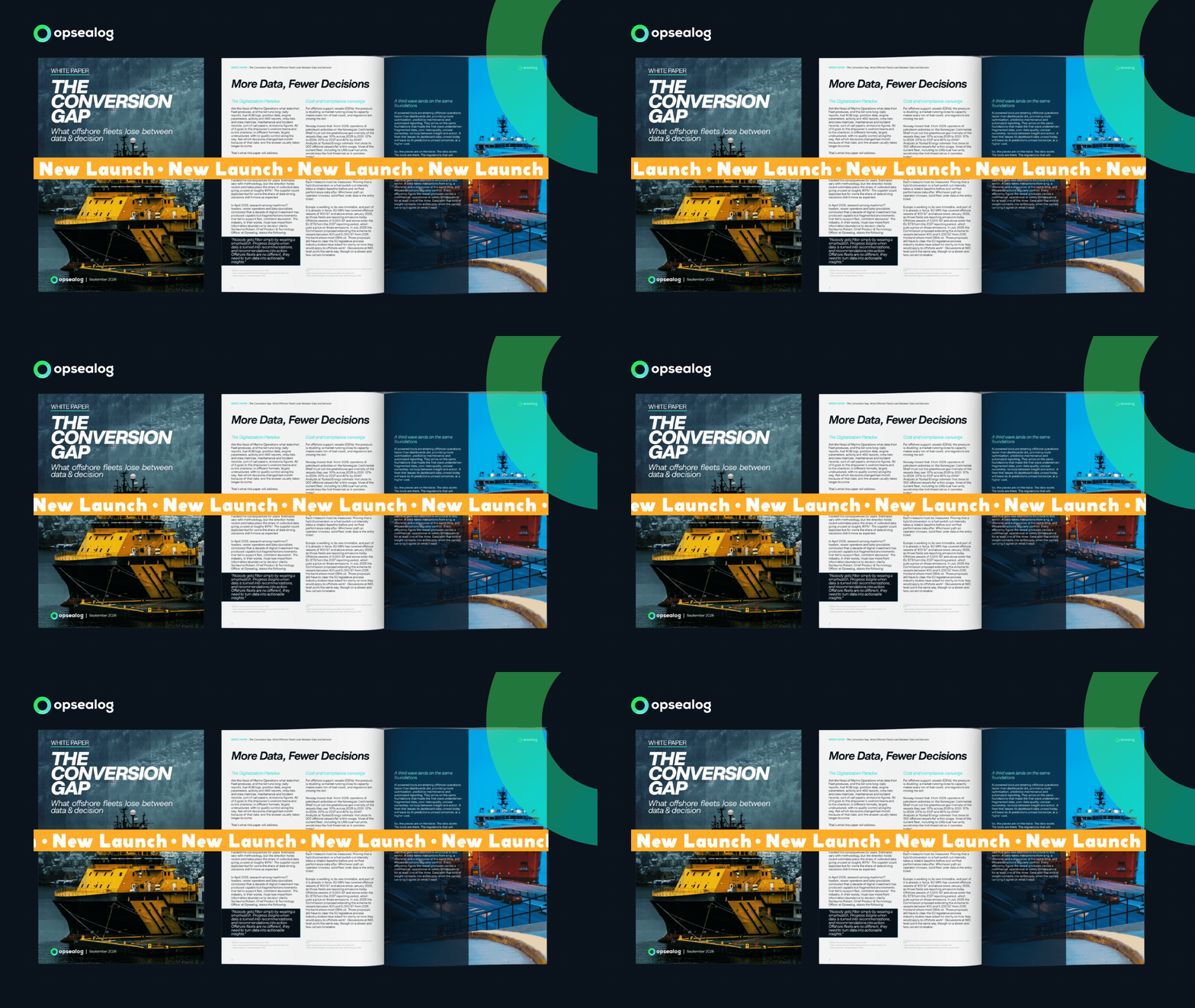
Offshore support vessels produce more operational data than any previous generation of the fleet. Very little of it reaches a decision. This white paper explains why, using ten years of operational data across more than 1,000 offshore support vessels.
More data, fewer decisions
Close to 5,000 suppliers now sell technology across the maritime market, and the average fleet runs a stack of tools that rarely talk to each other. Meanwhile, the deadlines are set. Norway requires a 10% cut in vessel greenhouse gas intensity from 2029, rising to 40% by 2040. Offshore vessels of 5,000 GT and above enter the EU ETS from the 2027 reporting period.
Fleet renewal is moving too slowly to close that gap. Running the existing fleet better remains, and proving the improvement requires verified data.
Why the loop breaks
The paper identifies four breakdowns that repeat across fleets, from reports that never come back to the vessel to the absence of anyone able to settle a disagreement between rig, charterer and owner. Two further constraints hold the whole sector back, and neither is technological.
What converting fleets do differently
Some fleets closed the distance. The paper sets out the four layers they built, from validated data through to the people who decide what reaches the vessel, and why the visible part of any platform is the smallest part of the work.
Three case studies with measured results
One vessel off Ghana. One fleet of 24 vessels off Angola. And one PSV where the analysis had been right for months and nothing moved until three parties read the same figures together. None of the three required new hardware or a new system.
Where does your fleet stand?
The paper closes on a six-question self-assessment covering collection, quality, action, ownership, integration, and resilience. In five minutes, it places your fleet in one of three profiles.